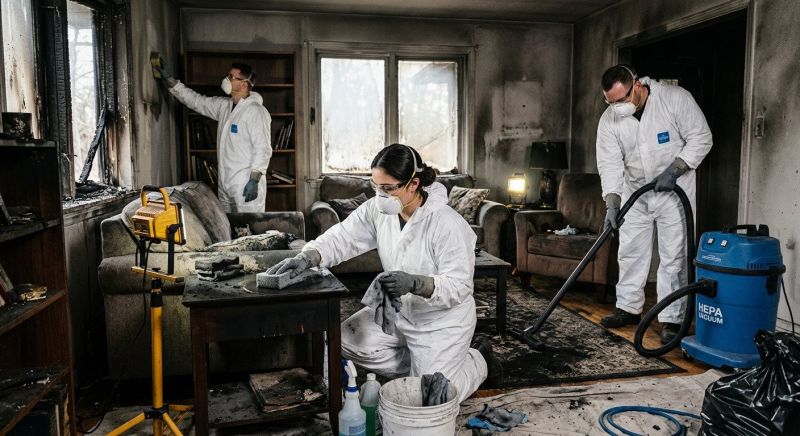
Soot Damage Cleanup in Austin, TX
Soot damage cleanup services focus on removing the residue and stains caused by smoke and fire-related incidents from a variety of surfaces within a property. This service is commonly requested after residential fires, chimney or stove malfunctions, or accidental fires that leave behind soot on walls, ceilings, furniture, and other household items. Proper cleaning helps restore the appearance of affected areas and can improve indoor air quality by eliminating lingering particles and odors associated with soot.
Property owners typically want to understand the extent of soot contamination, the types of materials that can be cleaned, and the methods used to ensure thorough removal. It’s important to consider whether surfaces are porous or non-porous, as some materials may require specialized cleaning techniques or treatments. Clarifying these details can help determine the scope of the project and ensure effective cleanup, restoring the safety and comfort of the home environment.
Many property owners in Austin, TX look into Soot Damage Cleanup for repairs, replacements, upgrades, and appearance-related improvements.
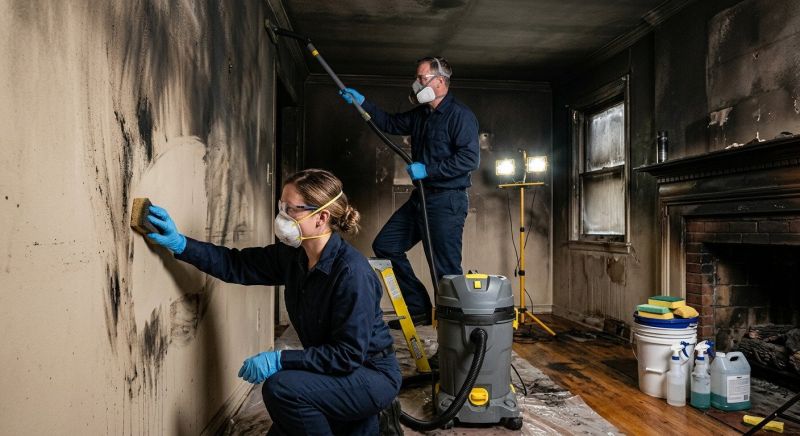
Understanding Soot Damage
Soot residues can affect indoor air quality and surface finishes after a fire or smoke incident.
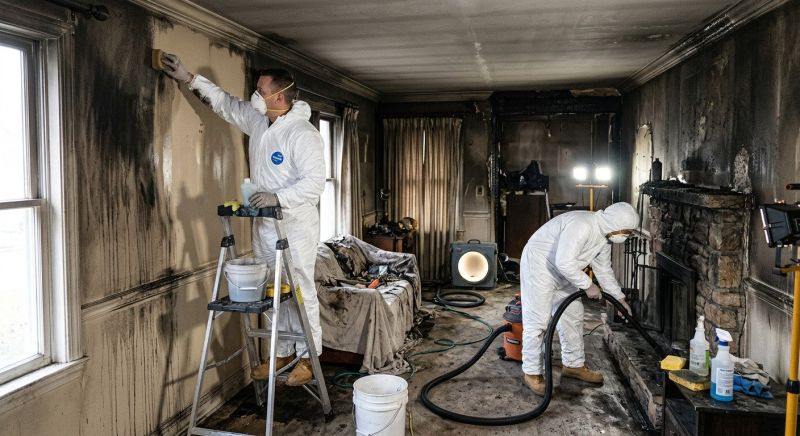
Cleanup And Restoration
Professional soot damage cleanup restores safety and appearance to affected areas in homes and businesses.
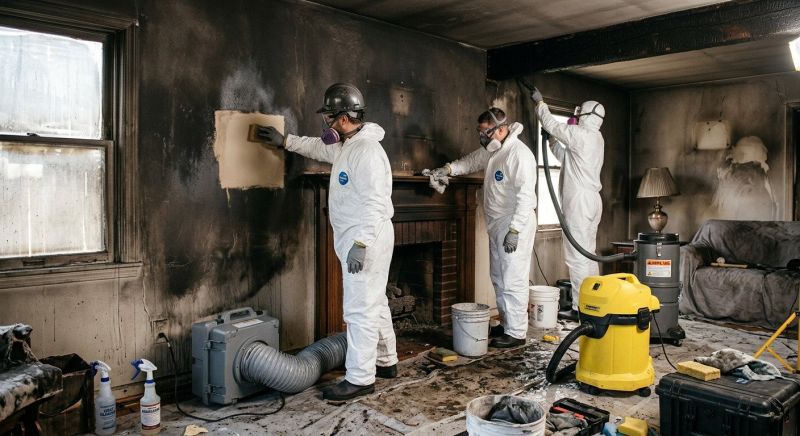
Preventive Measures
Implementing proper ventilation and fire safety practices can help minimize soot buildup in austin properties.
Soot Damage Cleanup in Austin, TX
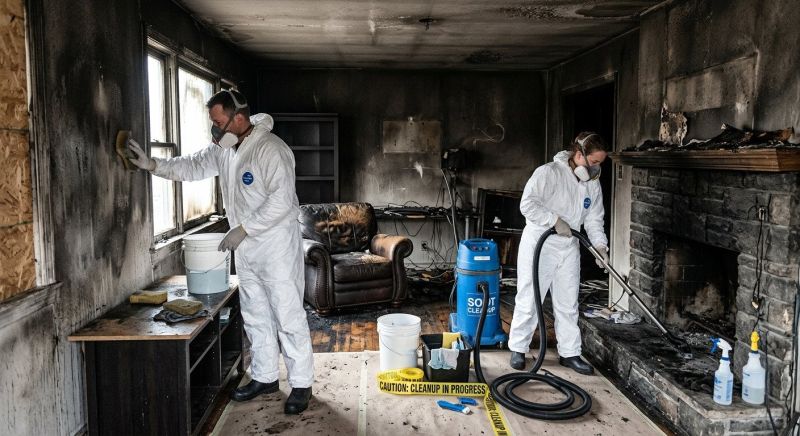
Soot damage cleanup services focus on removing the residue and stains caused by smoke and fire-related incidents from a variety of surfaces within a property. This service is commonly requested after residential fires, chimney or stove malfunctions, or accidental fires that leave behind soot on walls, ceilings, furniture, and other household items. Proper cleaning helps restore the appearance of affected areas and can improve indoor air quality by eliminating lingering particles and odors associated with soot.
Property owners typically want to understand the extent of soot contamination, the types of materials that can be cleaned, and the methods used to ensure thorough removal. It’s important to consider whether surfaces are porous or non-porous, as some materials may require specialized cleaning techniques or treatments. Clarifying these details can help determine the scope of the project and ensure effective cleanup, restoring the safety and comfort of the home environment.
Many property owners in Austin, TX look into Soot Damage Cleanup for repairs, replacements, upgrades, and appearance-related improvements.
Common Soot Damage Cleanup Jobs
Soot Damage Cleanup - Restores indoor air quality and removes stubborn soot residues from surfaces.
Fire Damage Restoration - Addresses smoke and soot damage caused by household or electrical fires.
Commercial Soot Cleanup - Cleans soot from office buildings, retail spaces, and other commercial properties.
Residential Soot Removal - Safely eliminates soot buildup in homes after fire incidents.
Odor Removal - Reduces lingering smoke smells through thorough cleaning and deodorization.
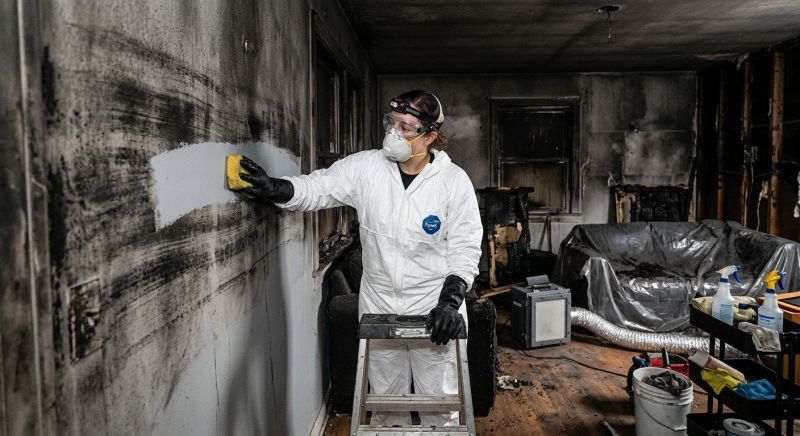
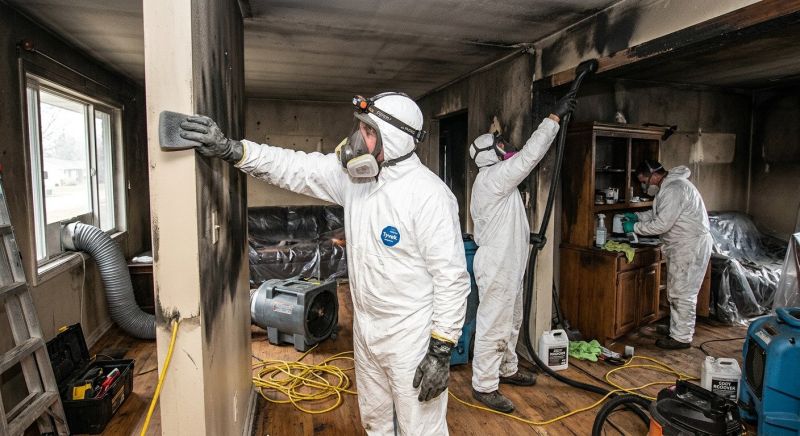
Surface Cleaning - Uses specialized techniques to clean walls, ceilings, and other affected surfaces.
Soot Damage Cleanup Questions
What causes soot damage in homes? Soot damage typically results from smoke from fires, faulty appliances, or electrical issues that produce smoke residue on surfaces.
How does soot damage affect property? Soot can stain walls, ceilings, and belongings, and may cause unpleasant odors that linger if not properly cleaned.
What surfaces can be cleaned of soot? Soot can be cleaned from various surfaces including walls, ceilings, furniture, and HVAC components with appropriate techniques.
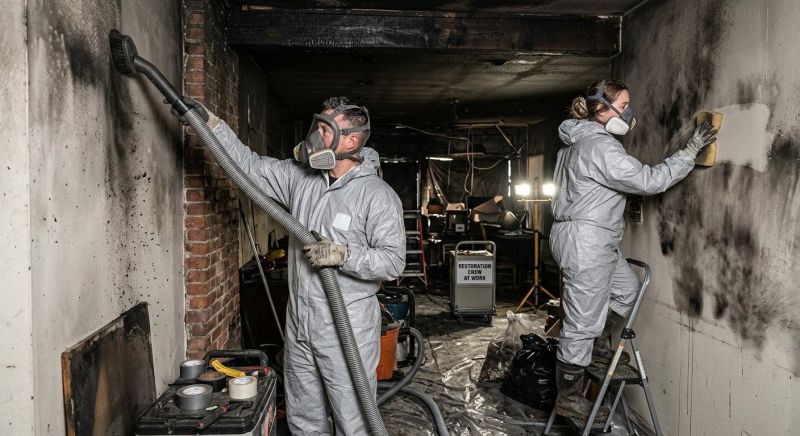
Why is professional cleanup important? Professional soot cleanup ensures thorough removal of residues, helping to restore the property safely and effectively.
Request Soot Damage Cleanup in Austin, TX
Use the quote form on this page to share the basics of your project and request more information for the type of work you need.