Optimal Timing for Soot Restoration
Soot restoration service is most effective when performed shortly after soot accumulation occurs, typically within a few weeks. Timely intervention prevents soot from settling deeply into surfaces, reducing cleaning complexity and cost. Seasonal considerations, such as avoiding harsh winter conditions or high humidity periods, can also influence the optimal timing for service.
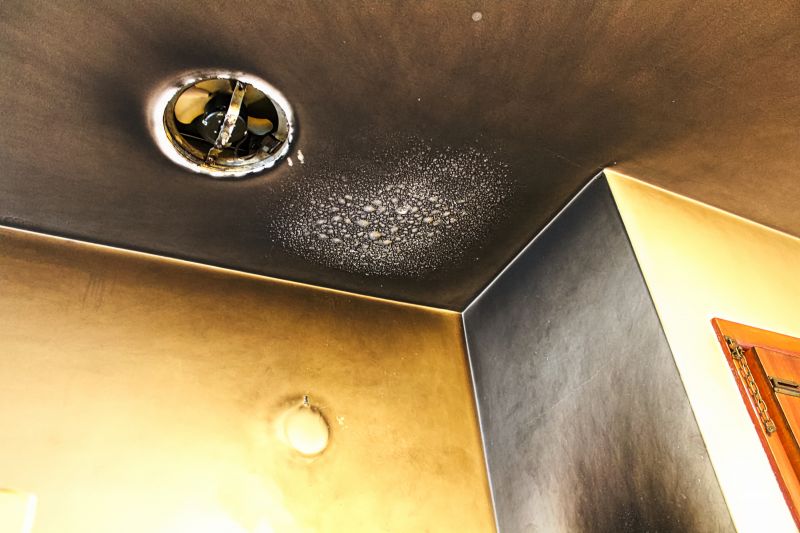
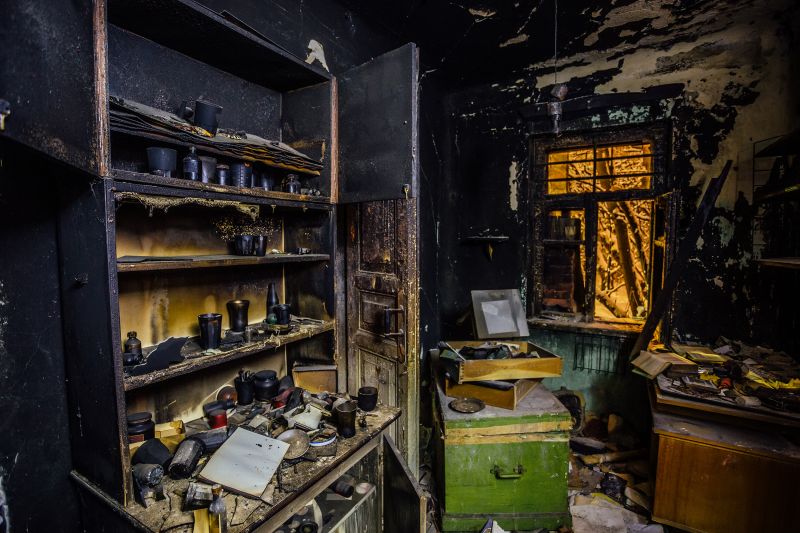
Immediately after a fire incident, soot removal is critical to prevent further damage and health risks.
Performing soot restoration in dry seasons enhances effectiveness due to better drying and cleaning conditions.
Scheduling before renovations ensures surfaces are properly cleaned and prepared for finishing work.
Visible soot buildup indicates the need for prompt restoration to prevent surface staining.
Ways to make Soot Restoration Service work in tight or awkward layouts.
Popular materials for Soot Restoration Service and why they hold up over time.
Simple add-ons that improve Soot Restoration Service without blowing the budget.

High-end options that actually feel worth it for Soot Restoration Service.
Finishes and colors that play nicely with Soot Restoration Service.
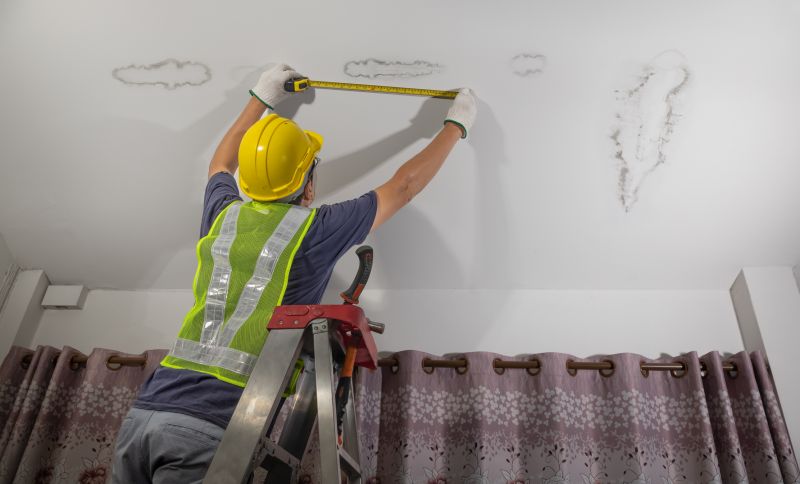
Little measurements that prevent headaches on Soot Restoration Service day.
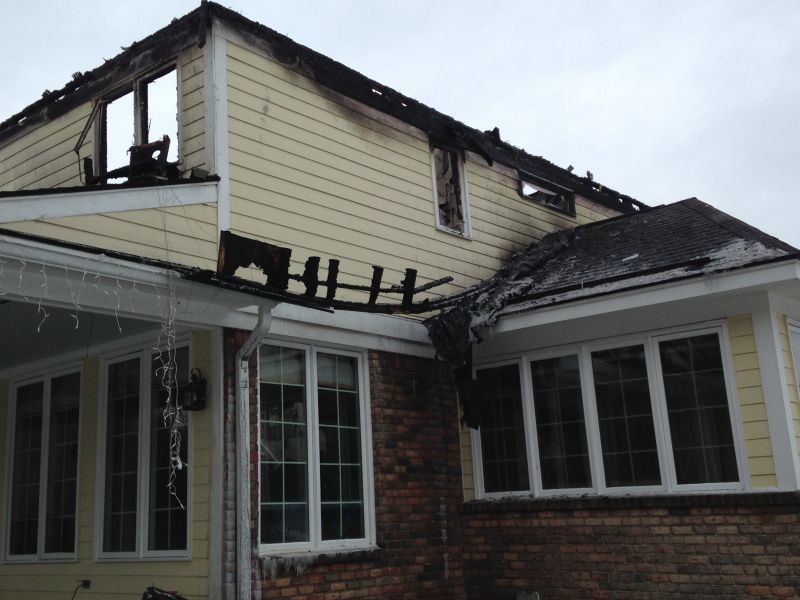
A 60-second routine that keeps Soot Restoration Service looking new.
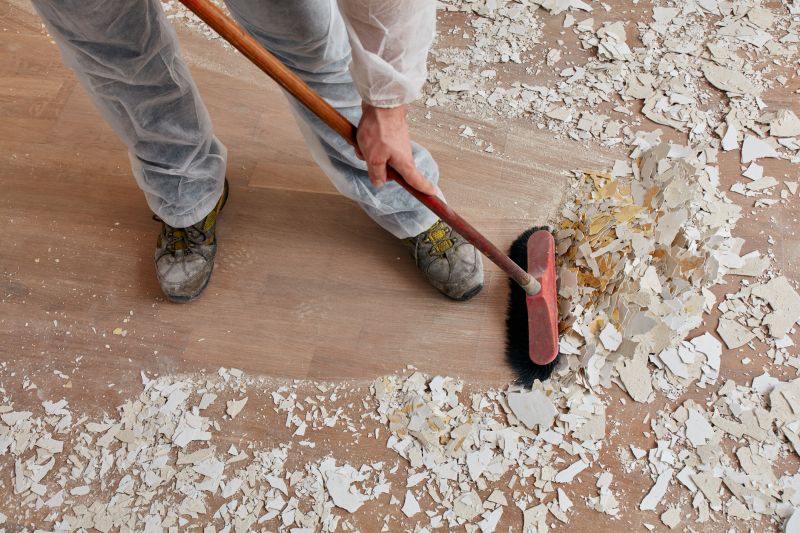
A frequent mistake in Soot Restoration Service and how to dodge it.
| Factor | Impact on Timing |
|---|---|
| Severity of Soot Damage | Higher severity may require immediate intervention. |
| Type of Surface | Porous surfaces may need more prompt cleaning. |
| Seasonal Conditions | Dry seasons improve cleaning effectiveness. |
| Upcoming Renovations | Schedule before renovation work begins. |
| Fire Incident Timing | Immediate response minimizes long-term damage. |
| Health Concerns | Prompt cleaning reduces health risks. |
| Availability of Restoration Services | Scheduling during off-peak times can be advantageous. |
Soot restoration service plays a vital role in restoring surfaces affected by fire and smoke damage. It involves specialized cleaning techniques to remove soot residues, prevent staining, and improve indoor air quality. The process often includes dry and wet cleaning methods, depending on the extent of soot and surface types. Effective restoration not only enhances aesthetic appeal but also protects structural integrity and health by reducing airborne contaminants.
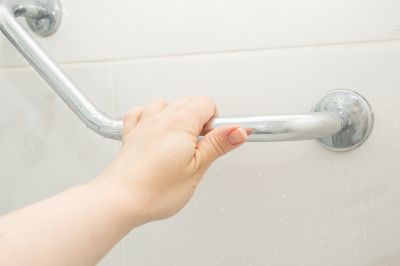
Small tweaks to make Soot Restoration Service safer and easier to use.
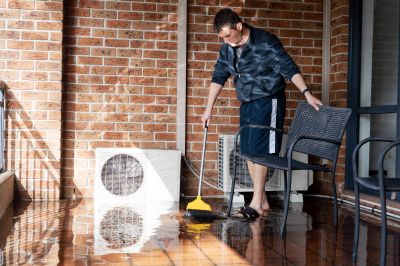
Lower-waste or water-saving choices for Soot Restoration Service.
The short, realistic tool list for quality Soot Restoration Service.
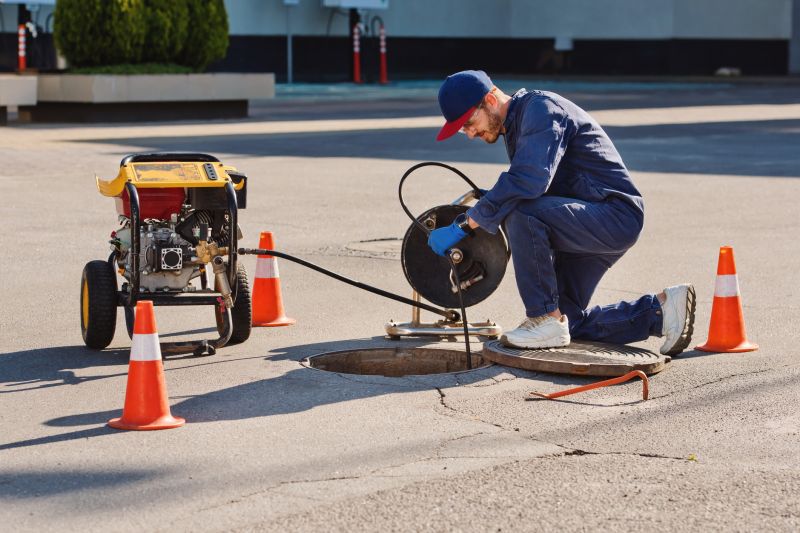
Rough timing from prep to clean-up for Soot Restoration Service.
Interested parties are encouraged to contact for more information about scheduling soot restoration services. Timely intervention can significantly reduce long-term damage and restore the appearance and safety of affected surfaces.