
Popular Soot Restoration Products For Professional Surface Cleaning
Discover the most sought-after products that ensure efficient soot cleanup and help restore surfaces to their original condition.
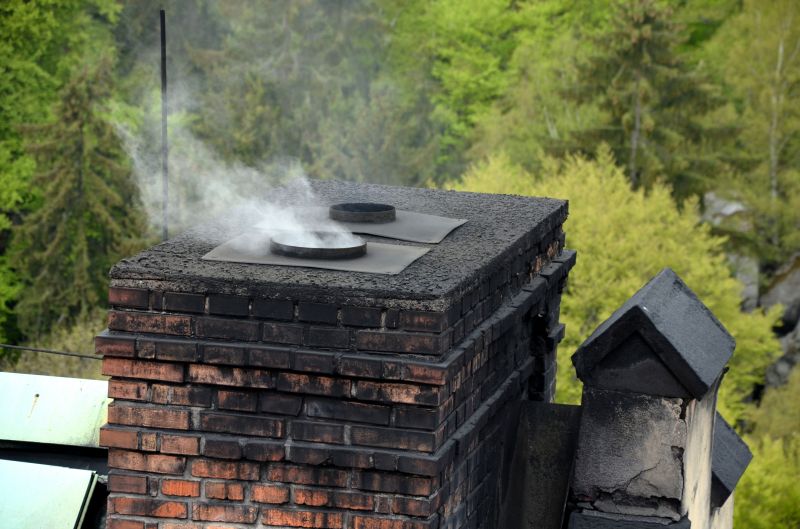 Soot restoration is a specialized process aimed at cleaning and restoring surfaces affected by soot accumulation, often resulting from fire damage or smoke exposure. Effective soot removal requires a combination of cleaning agents, tools, and techniques tailored to different surfaces and severity levels. Proper restoration not only improves the aesthetic appearance of affected areas but also helps in preventing further deterioration caused by soot residues. It is essential to select the right products to ensure thorough cleaning while avoiding damage to the underlying materials.
Top Overall Option
Multi-Purpose Soot Cleaning Solution
A versatile cleaning solution formulated to effectively lift soot residues from various surfaces including walls, ceilings, and hard surfaces. Its gentle yet effective formula is suitable for use on delicate materials and can be combined with soft scrubbing tools for optimal results. Designed to minimize residue and odor, this product supports thorough cleaning in both professional and DIY restoration projects.
Types of Products For Soot Restoration Service
Soot Sponges
Specialized sponges designed to lift soot without smearing or spreading it further, ideal for delicate surfaces.
Cleaning Solutions and Degreasers
Chemical agents formulated to break down soot residues on various surfaces, from walls to appliances.
Vacuum Cleaners with HEPA Filters
High-efficiency vacuums capable of removing airborne soot particles and surface debris effectively.
Air Scrubbers and Filtration Devices
Equipment that captures airborne soot and smoke particles, improving indoor air quality during restoration.
Soft Bristle Brushes
Gentle brushes suitable for scrubbing soot from painted surfaces, wood, and other delicate materials.
Microfiber Cloths and Rags
Lint-free cloths for wiping and polishing soot-stained surfaces after cleaning.
Steam Cleaners
Devices that use hot steam to loosen soot and grime, especially useful for upholstery and carpets.
Odor Neutralizers
Products designed to eliminate lingering smoke odors following soot removal.
Protective Gear
Masks, gloves, and coveralls to ensure safety during soot cleaning procedures.
Scrubbing Pads and Brushes
Sturdy tools for removing stubborn soot deposits from hard surfaces.
Foam Cleaners
Lightweight foam solutions that cling to surfaces, aiding in soot lift without excessive scrubbing.
Electrostatic Dusters
Tools that attract and trap soot particles from surfaces and in the air.
Chemical Odor Absorbers
Products that chemically bind with smoke odors for effective neutralization.
Heavy-Duty Degreasers
Powerful cleaners for removing tough soot and grease residues on industrial surfaces.
Paint and Surface Sealants
Protective coatings that can be applied after cleaning to prevent future soot adhesion.
Portable HEPA Air Purifiers
Compact devices suitable for small spaces to continuously filter airborne soot particles.
Popular Choices
Widely used for dry soot lifting, especially on walls and ceilings.
Versatile solutions effective on various surfaces with minimal residue.
Preferred for their ability to trap fine soot particles during cleaning.
Popular for improving indoor air quality during and after soot removal.
Commonly used for wiping soot from surfaces after initial cleaning.
Favored for their chemical-free cleaning capability on upholstery and carpets.
Often used to combat lingering smoke smells after soot cleaning.
Chosen for their effectiveness on stubborn soot and grime on industrial surfaces.
Popular for quick removal of soot particles from surfaces and air.
Essential for safety during intense soot cleaning tasks.
Trusted for their ability to cling to surfaces and lift soot efficiently.
Effective for removing heavy soot deposits from durable surfaces.
Commonly used in small spaces to maintain air quality during restoration.
Popular for neutralizing smoke odors post-cleaning.
The process typically involves initial assessment to determine the extent of soot damage, followed by targeted cleaning methods. For delicate surfaces such as upholstery or painted walls, gentle cleaning solutions and soft tools are preferred. Heavier soot deposits on hard surfaces like metal or masonry may require more robust cleaning agents and scrubbing techniques. Using the correct products can significantly streamline the restoration process, reduce labor time, and improve overall results.
In addition to cleaning agents, specialized equipment such as soot sponges, vacuums, and air scrubbers can enhance the effectiveness of the restoration. Soot sponges are designed to lift soot without smearing, while air scrubbers help in removing airborne soot particles, improving indoor air quality. Combining these tools with appropriate cleaning products ensures a comprehensive approach to soot removal. Proper protective gear and safety precautions are also important to prevent inhalation of soot particles and contact with harsh chemicals.
Choosing the right products for soot restoration depends on various factors including the type of surface, extent of soot damage, and the specific cleaning requirements. Investing in quality, versatile products can make a significant difference in achieving a clean and safe environment after a fire or smoke incident. Whether for professional restoration services or DIY projects, understanding the available options helps in making informed decisions for effective soot management.
Key Buying Considerations
- Surface Compatibility: Ensure the product is suitable for the specific material you are cleaning, such as drywall, wood, fabric, or metal.
- Severity of Soot Damage: Select products designed for light surface soot or heavy, embedded deposits.
- Ease of Use: Consider whether the product is user-friendly and appropriate for DIY or professional use.
- Chemical Composition: Review ingredients to avoid damage to delicate surfaces and ensure safety during application.
- Residue and Odor Control: Look for products that minimize leftover residues and help neutralize smoke odors.
- Application Method: Determine if the product requires spraying, wiping, scrubbing, or specialized equipment.
- Drying Time: Consider how quickly the product dries to plan your restoration workflow efficiently.
- Safety Precautions: Check for necessary protective gear and ventilation requirements during use.
- Compatibility with Cleaning Tools: Ensure the product works well with your existing tools like brushes, sponges, or vacuums.
- Environmental Conditions: Consider temperature and humidity levels that may affect cleaning effectiveness.
- Cost and Quantity: Evaluate the cost-effectiveness based on the amount needed for your project size.
- Brand Reputation: Opt for products with positive feedback and proven performance in soot cleaning.
- Availability: Choose products that are readily accessible for timely restoration work.
- Post-Cleaning Maintenance: Consider products that help maintain surfaces after cleaning or prevent future soot buildup.
- Environmental Impact: While not eco-focused, understanding chemical impact can influence safety and surface compatibility.
This content includes affiliate links to products that may earn a commission at no additional cost to you. All product descriptions are for informational purposes only and do not constitute endorsements or guarantees.